Switzerland's Gaming Enthusiasts Blend Action, Strategy, and Social Play in Download-Free Environments
Lars Patterson · Aug 19, 2026
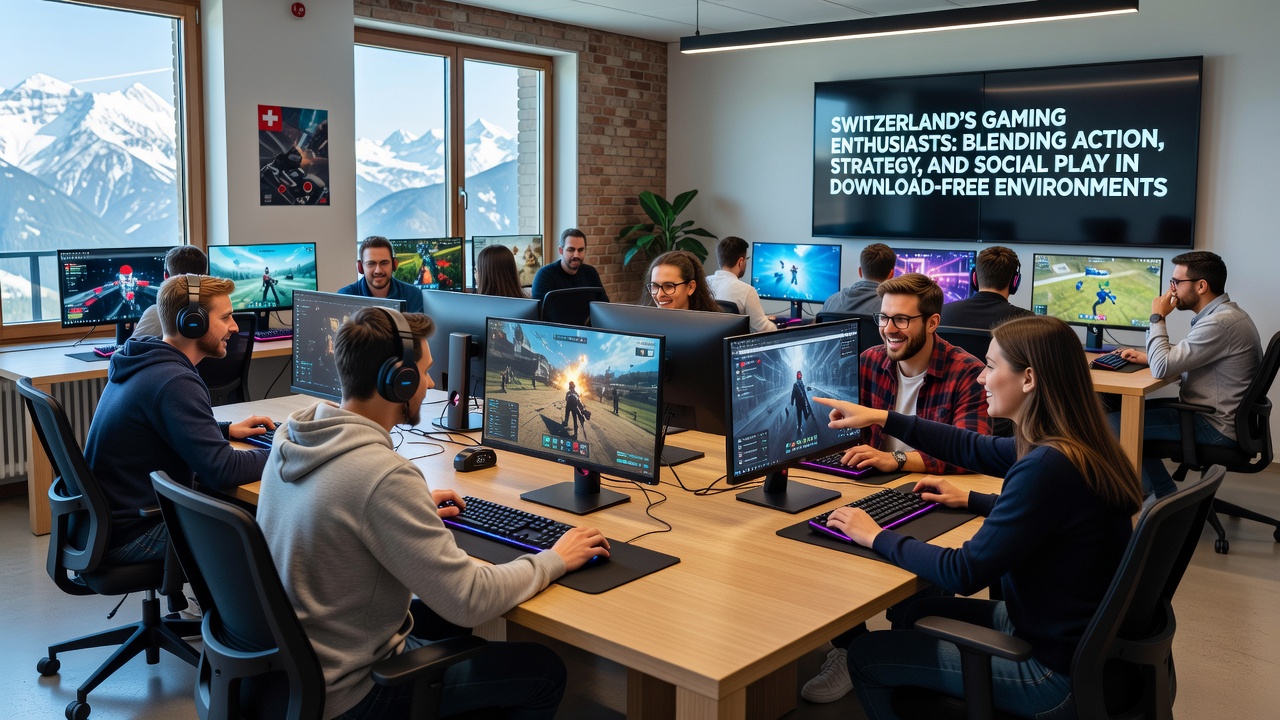
Switzerland's Gaming Enthusiasts Blend Action, Strategy, and Social Play in Download-Free Environments
Switzerland maintains a distinctive position in European digital entertainment where download-free platforms continue to attract large numbers of participants who combine fast-paced action sequences with strategic decision-making and group-based interactions, and researchers note that these environments rely on browser technology to deliver immediate access without software installation.
Data from industry reports indicate that Swiss users frequently select multiplayer titles accessible through standard web browsers, which support real-time collaboration across regions, while statistics compiled by the Interactive Games and Entertainment Association reveal steady growth in browser-based sessions throughout the country since the early 2020s.
Platform Accessibility and Technical Foundations
Browser-based gaming in Switzerland operates through HTML5 frameworks and cloud rendering systems that eliminate the need for client-side downloads, so participants launch sessions directly from websites or integrated portals, and this approach reduces hardware requirements while maintaining compatibility across desktop and mobile devices common in Swiss households.
Network infrastructure upgrades completed by major providers have supported higher concurrent player counts, yet observers note that rural cantons still experience occasional latency variations during peak evening hours, and those variations influence session lengths without preventing overall participation rates from rising.
Game Genres and Player Preferences
Action-oriented experiences often feature quick reflexes and competitive matchmaking, whereas strategy layers introduce resource management and long-term planning that unfold within the same session, and social components appear through voice chat integrations or shared leaderboards that allow Swiss players to form temporary alliances or rivalries.
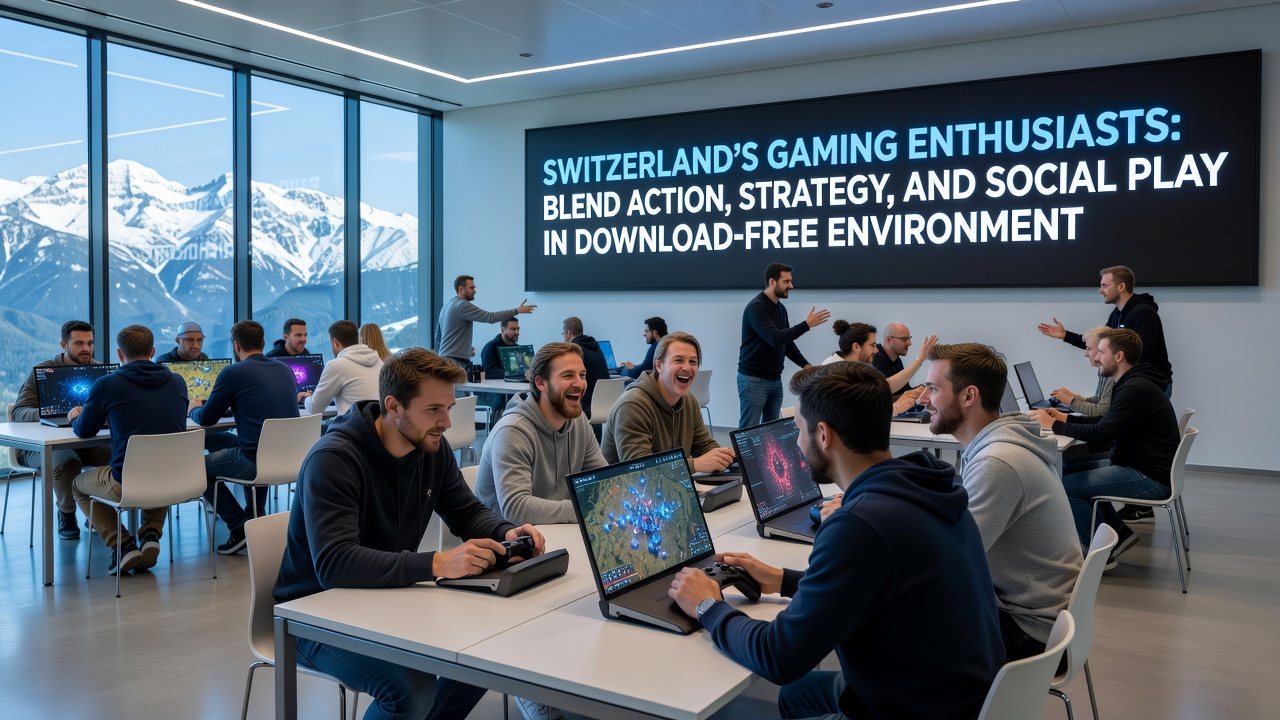
One documented case involves a Geneva-based community that coordinates weekly strategy tournaments entirely within browser environments, where participants alternate between individual challenges and team objectives, and similar patterns appear in Zurich and Basel according to aggregated usage figures.
Trends Emerging in August 2026
By August 2026, Swiss platforms report increased integration of cross-device persistence features that let users resume progress across different browsers without accounts tied to specific hardware, and this development aligns with broader European shifts toward privacy-focused data handling in entertainment services.
Figures from the European Games Developer Federation show that download-free titles account for a growing share of total playtime among Swiss residents aged 18 to 35, while older demographics maintain steady engagement through simplified interfaces that emphasize social coordination over complex controls.
Regulatory and Infrastructure Context
Swiss federal guidelines on digital content consumption encourage transparent data practices for online services, and these rules apply equally to gaming portals that collect minimal user information to enable multiplayer matching, so developers adjust backend systems accordingly to remain compliant while preserving seamless entry points.
Academic studies conducted at institutions in Lausanne have examined how download-free formats affect social bonding metrics, and preliminary results suggest that shorter setup times correlate with higher repeat participation rates across sampled user groups.
Community Dynamics and Event Integration
Local gaming meetups frequently incorporate browser sessions as icebreakers before transitioning to offline discussions, and this hybrid model appears in university clubs as well as public libraries that host occasional digital play events, and participants report that the absence of installation barriers lowers entry thresholds for newcomers.
International comparisons drawn from Canadian and Australian industry analyses indicate similar preferences for accessible formats in regions with strong broadband coverage, yet Switzerland distinguishes itself through multilingual interface support that accommodates German, French, and Italian speakers within the same servers.
Conclusion
Switzerland's gaming landscape demonstrates consistent evolution toward environments where action, strategy, and social elements coexist without download requirements, and ongoing infrastructure improvements alongside regulatory clarity support continued participation across demographic segments through 2026 and beyond.