Swiss Cantons Fueling Niche Multiplayer Card Designs in Download-Free Mobile Spaces
Tina Schmitz · Oct 1, 2026
Swiss Cantons Fueling Niche Multiplayer Card Designs in Download-Free Mobile Spaces
Switzerland maintains twenty-six cantons that each preserve distinct cultural practices and local governance structures, and these elements have begun shaping specialized card game mechanics for browser-based mobile platforms that require no downloads. Developers draw from regional variations in traditional card play, such as those seen in Appenzell or Valais, to create niche multiplayer formats that operate entirely within web browsers on smartphones and tablets. Data from industry reports indicate that such adaptations have increased by measurable margins in recent years as canton-level cultural archives become more accessible through public digitization efforts.
Cultural Inputs from Individual Cantons
Each canton contributes specific rulesets or thematic elements that translate into unique card interactions. Researchers at academic institutions have documented how the Jass variants popular in central cantons influence turn-based mechanics in mobile titles, whereas eastern regions introduce asymmetric scoring systems that carry over into competitive online sessions. These designs stay confined to download-free environments where HTML5 frameworks handle real-time synchronization across devices without requiring app installations. Observers note that this approach reduces barriers for players who access games through standard mobile browsers during commutes or short breaks.
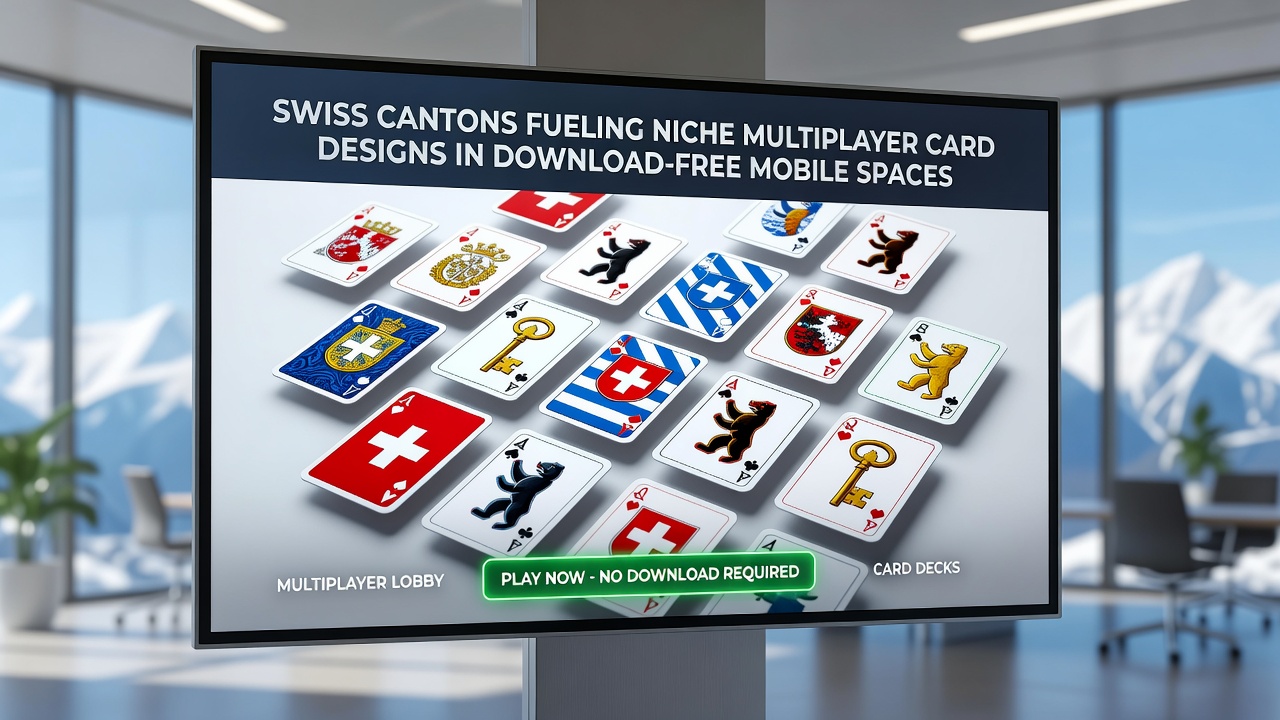
Local festivals and historical records from places like Geneva or Ticino supply visual motifs and terminology that developers integrate into card artwork and interface labels. A study published through the Interactive Software Federation of Europe shows that games incorporating such localized elements retain users for longer average session durations compared with generic international templates. The process involves collaboration between Swiss cultural organizations and international studios that specialize in lightweight web technologies.
Technical Frameworks Enabling Browser Play
Download-free mobile spaces rely on WebGL and WebSocket protocols that allow multiple participants to join card matches without storing data locally. Cantonal data centers sometimes host mirror servers that improve latency for Swiss users while maintaining compatibility with global networks. Figures from the Entertainment Software Association reveal steady growth in browser-based card titles that feature modular rule sets derived from Swiss regional sources. Developers adjust these modules seasonally, with planned expansions scheduled around October 2026 that incorporate newly digitized archives from additional cantons.
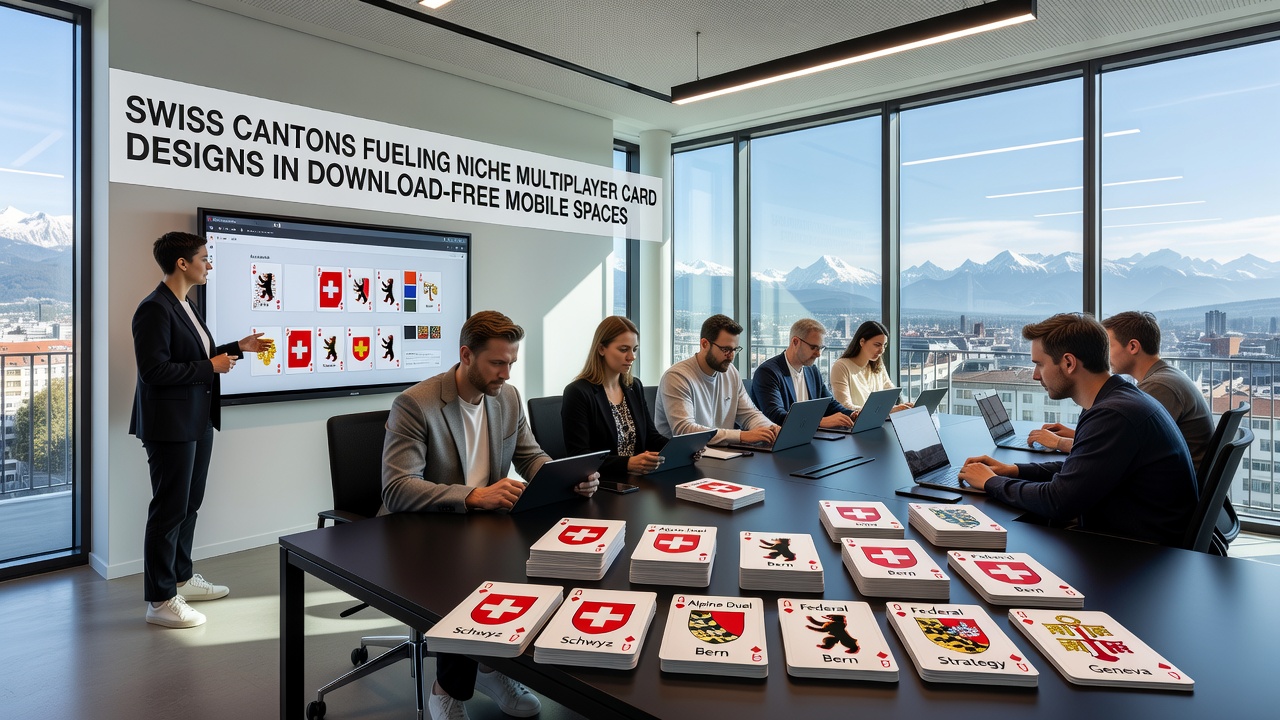
Security protocols follow standards established by various national bodies, yet the emphasis remains on seamless cross-device performance rather than heavy client-side processing. This setup supports niche formats such as cooperative scoring rounds or hidden-information challenges that reflect historical card traditions from specific Swiss areas. Those who track development trends report that studios test prototypes against real-world connectivity conditions found in mountainous cantons to ensure stability.
Market Patterns and Adoption Data
Analytics platforms record higher engagement rates for titles that rotate card backs and suit symbols according to canton themes. One report compiled by the Canadian Interactive Digital Entertainment Association highlights how such customization appeals to both domestic and international audiences seeking alternatives to mass-market card apps. Participation spikes occur during periods when new regional variants launch, often coinciding with cultural events celebrated across multiple cantons. Browser platforms facilitate rapid updates without user intervention, which aligns with the lightweight nature of these designs.
Distribution occurs through specialized portals that index games by thematic origin, allowing players to select experiences tied to particular Swiss locales. This categorization method stems from partnerships between game publishers and heritage foundations that maintain public databases of traditional play styles. Evidence suggests continued expansion as more cantons contribute source material for upcoming releases.
Conclusion
The interplay between Switzerland's decentralized cantonal system and the technical possibilities of download-free mobile environments has produced a growing catalog of niche multiplayer card experiences. These titles integrate localized mechanics and aesthetics while operating through standard web browsers on mobile devices. Ongoing digitization projects and scheduled content updates through October 2026 point toward further diversification as additional regional influences enter development pipelines.