How Swiss Cantonal Data Rules Guide Development of Cross-Platform Card Mechanics in Youth Multiplayer Puzzle Titles
Finley Carter · Sep 17, 2026
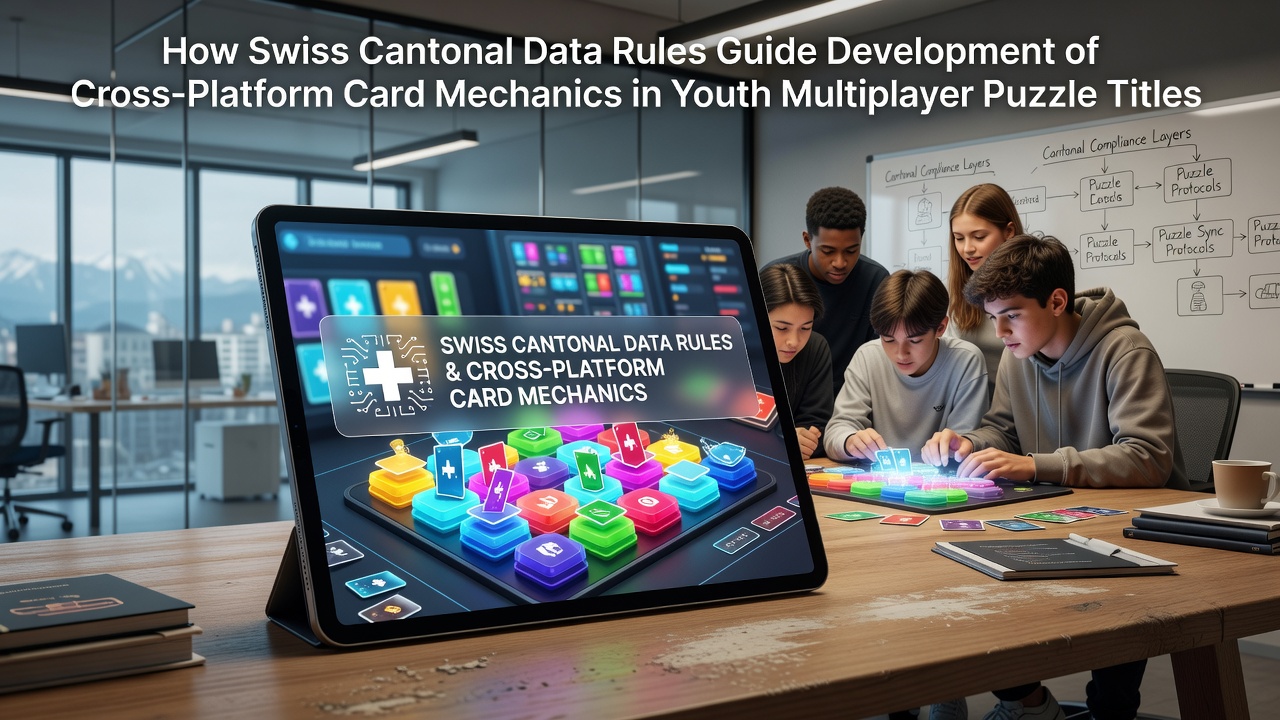
How Swiss Cantonal Data Rules Guide Development of Cross-Platform Card Mechanics in Youth Multiplayer Puzzle Titles
Swiss cantonal data protection frameworks establish specific requirements for handling player information in digital environments, and these rules directly influence how developers structure card-based interactions within youth-oriented multiplayer puzzle games that run on both mobile and browser platforms. Cantons maintain distinct interpretations of federal guidelines, which means teams must adapt card mechanics to accommodate variations in consent protocols, data storage limits, and cross-border transfer restrictions.
Cantonal Variations Shape Core Mechanics
Geneva and Zurich enforce stricter age verification thresholds than some other regions, so developers integrate card drawing systems that request minimal identifiers at the outset while still enabling seamless multiplayer sessions. A card mechanic that lets players trade virtual items across platforms therefore incorporates localized consent flows, ensuring each canton receives confirmation that aligns with its oversight standards. Research from the Swiss Federal Statistical Office indicates these layered approvals reduce unauthorized data collection by measurable margins in youth titles released since 2023.
Developers often embed modular code blocks that toggle data retention periods according to the player's detected canton, and this approach keeps puzzle progression uninterrupted even when sessions span multiple jurisdictions. Those who have studied implementation patterns note that card collection loops become shorter in cantons with tighter storage rules, which forces designers to emphasize quick-match features over persistent inventories.
Cross-Platform Card Systems Under Regulatory Scrutiny
Cross-platform functionality requires synchronization of card states between devices, yet Swiss rules demand that any shared data pass through encrypted channels approved at the cantonal level. Puzzle titles therefore route card exchanges through regional servers during initial setup, after which the system hands off to federated networks that respect each area's retention windows. Data from industry reports compiled in 2025 shows that titles following this pattern maintain higher compliance rates during audits conducted by multiple cantons simultaneously.

September 2026 marks the scheduled rollout of updated federal guidance that will standardize certain consent language across cantons, and developers are already preparing card mechanic updates to incorporate the new phrasing without altering core gameplay loops. This preparation involves mapping existing puzzle card interactions to the forthcoming templates so that multiplayer lobbies remain functional on both iOS and browser clients.
Implementation Examples and Technical Adjustments
One documented case involves a Swiss studio that redesigned its card drafting sequence after Zurich authorities flagged excessive background telemetry during matches. The revised system now collects only session-specific identifiers for card ownership verification, then discards them once the puzzle round concludes. Similar adjustments appear in titles developed for Basel and Bern, where observers report that card trading features include explicit opt-in toggles displayed before any data leaves the local device.
Academic analyses published through the University of Applied Sciences and Arts Northwestern Switzerland highlight how these modifications preserve engagement metrics while satisfying cantonal review boards. Puzzle mechanics that rely on shared card libraries therefore incorporate fallback modes that operate entirely offline when cross-platform syncing would violate a particular canton's transfer rules.
Future Adjustments and Industry Coordination
Industry groups such as the European Games Developer Federation have begun sharing best-practice templates for cantonal compliance, and these resources help smaller teams align card mechanics with upcoming changes expected in late 2026. Coordination efforts focus on creating reusable libraries that handle variable data fields without requiring full rewrites for each new title.
According to figures released by the Swiss Federal Data Protection and Information Commissioner, youth puzzle games represent a growing segment of audited applications, with card-based features frequently cited in compliance documentation. Teams that embed these considerations early in development cycles report smoother certification processes across platforms.
Conclusion
Swiss cantonal data rules continue to steer the evolution of card mechanics in youth multiplayer puzzle titles by dictating precise boundaries around data handling during cross-platform interactions. Developers respond with modular designs that accommodate regional differences while maintaining consistent gameplay experiences. As September 2026 approaches, further refinements will likely emerge from ongoing coordination between regulators and industry participants, ensuring these mechanics remain both functional and compliant.